

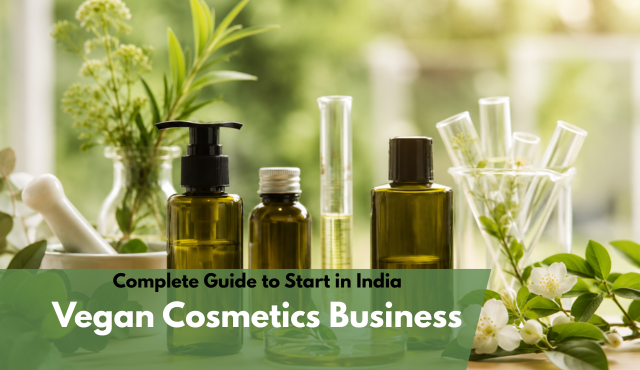
India’s beauty and personal care market is rapidly evolving, and vegan cosmetics have emerged as one of the fastest-growing segments driven by conscious consumers, ethical purchasing decisions, and increasing awareness of cruelty-free beauty products. From vegan skincare and hair care to makeup and personal hygiene products, Indian consumers are actively seeking formulations free from animal-derived ingredients while prioritizing sustainability and transparency. This shift has created a profitable opportunity for entrepreneurs looking to start a vegan cosmetics business in India.
However, building a successful vegan beauty brand requires much more than creating attractive products. Entrepreneurs must understand vegan cosmetics certification requirements, product formulation, ingredient sourcing, private label manufacturing, regulatory compliance, branding, packaging design, pricing strategies, and effective digital marketing.
With rising demand across eCommerce platforms, retail stores, and D2C channels, the market offers significant growth potential for both startups and established businesses.
This complete guide explains everything you need to know about starting a vegan cosmetics business in India, including market opportunities, investment requirements, legal regulations, manufacturing options, and proven strategies to build a trusted, profitable, and future-ready vegan beauty brand.
What are Vegan Cosmetics?
Vegan cosmetics are beauty, skincare, hair care, and personal care products made without any animal-derived ingredients or by-products. Unlike conventional cosmetics, they do not contain substances such as beeswax, honey, lanolin, collagen, keratin, carmine, or animal-based glycerin.
Most vegan cosmetic brands also focus on cruelty-free manufacturing, meaning their products are not tested on animals. Made with plant-based ingredients, botanical extracts, and naturally derived actives, vegan cosmetics appeal to consumers seeking ethical, sustainable, and environmentally responsible beauty solutions.
Why Are Vegan Cosmetics Becoming a Big Opportunity in India?
The Indian beauty industry is witnessing a major transformation as consumers become more mindful of what they apply to their skin and hair. Vegan cosmetics are no longer a niche category; they are becoming a mainstream choice among buyers looking for ethical, sustainable, and plant-based beauty solutions. This changing consumer mindset has opened significant opportunities for entrepreneurs planning to enter the vegan cosmetics business in India.
a) Rise of Conscious Consumer Behavior in India
Modern consumers actively research product ingredients, manufacturing practices, and brand values before making a purchase. Ethical consumption is influencing buying decisions across the beauty sector.
b) Shift Toward Cruelty-Free Alternatives
Many consumers are moving away from conventional beauty cosmetics products and choosing cruelty-free cosmetics that are not tested on animals, creating growing demand for vegan beauty brands.
c) Growth of Plant-Based Beauty and Skincare
Natural oils, botanical extracts, herbal actives, and plant-derived ingredients are gaining popularity, fueling the expansion of the vegan skincare and personal care market.
d) Influence of Social Media and Ingredient Awareness
Beauty influencers, skincare experts, and online communities regularly educate consumers about harmful ingredients and sustainable alternatives, increasing awareness of vegan cosmetic products.
e) Strong Demand from Gen Z and Millennials
Younger consumers prefer brands that align with their environmental and ethical values. Their purchasing power is accelerating the growth of vegan makeup, skincare, and hair care products.
f) Expanding Business Opportunities
From private label manufacturing and D2C brands to eCommerce stores and retail distribution, entrepreneurs have multiple avenues to build a profitable vegan cosmetics business.
With consumer awareness rising and demand continuing to grow, vegan cosmetics represent one of the most promising segments within India’s beauty and personal care industry.
Common Animal-Derived Ingredients Avoided in Vegan Cosmetics
One of the key differences between vegan cosmetics and conventional beauty products lies in the ingredients used during formulation. Vegan cosmetic brands carefully avoid animal-derived substances and replace them with plant-based or synthetic alternatives that deliver similar benefits without compromising ethical standards.
i) Beeswax
Commonly used in lip balms, creams, and makeup products, beeswax is obtained from honeybees. Vegan formulations often use candelilla wax or carnauba wax as substitutes.
ii) Lanolin
Lanolin is a moisturizing ingredient extracted from sheep’s wool. Many vegan skincare products replace it with plant oils, shea butter, or coconut-derived emollients.
iii) Collagen
Traditional collagen is usually sourced from animal tissues and bones. Vegan brands use plant-based collagen alternatives and collagen-boosting botanical ingredients instead.
iv) Carmine
Widely used as a red pigment in lipsticks and blushes, carmine is derived from crushed cochineal insects. Vegan cosmetics rely on mineral or synthetic colorants.
v) Keratin
Keratin is often obtained from animal feathers, horns, and hooves. Vegan hair care products use plant proteins from wheat, soy, or quinoa to provide similar strengthening effects.
vi) Honey
Although considered natural, honey is an animal-derived ingredient and is excluded from vegan beauty products. Plant extracts and botanical humectants are commonly used as alternatives.
vii) Gelatin
Gelatin comes from animal collagen and is occasionally found in cosmetic formulations. Vegan manufacturers replace it with plant-based gelling agents.
viii) Squalene from Animal Sources
Traditionally sourced from shark liver oil, animal-derived squalene is avoided in vegan cosmetics. Instead, brands use plant-based squalane extracted from olives, sugarcane, or other botanical sources.
Understanding these ingredients helps entrepreneurs develop authentic vegan cosmetic products that align with consumer expectations and ethical beauty standards.
Step-by-Step Guide to Start Vegan Cosmetics Business in India
Launching a successful vegan cosmetics brand requires careful planning, market understanding, and the right business strategy.
Step 1: Research Your Target Audience
Identify your ideal customers, their preferences, buying behavior, skincare concerns, and demand for vegan beauty products.
Step 2: Choose Your Product Niche
Select a specific category such as vegan skincare, hair care, makeup, personal care, or organic beauty products to establish a clear market position.
Step 3: Create a Business Plan
Prepare a detailed business plan covering investment, pricing, branding, marketing strategy, sales channels, and projected revenue.
Step 4: Decide Manufacturing Model
Choose between private label manufacturing, contract manufacturing, or setting up your own production unit based on your budget, expertise, and long-term business goals.
Licenses Required for Cosmetic Manufacturing in India
Starting a vegan cosmetics business in India requires compliance with various regulatory and legal requirements. Securing the necessary licenses not only ensures smooth operations but also builds trust among distributors, retailers, and consumers.
1. CDSCO Registration
The Central Drugs Standard Control Organization (CDSCO) regulates cosmetic products in India. Businesses manufacturing or importing cosmetics must comply with applicable CDSCO guidelines and regulations.
2. State Drug License
A cosmetic manufacturing license is generally issued by the State Drug Control Authority. This license is essential for legally producing cosmetic products within India.
3. Factory License
Entrepreneurs setting up their own manufacturing facility may need a factory license depending on the scale of operations and local regulations.
4. Trademark Registration
Registering your brand name, logo, and product identity helps protect intellectual property and prevents unauthorized use by competitors.
5. BIS Certification (If Applicable)
Certain cosmetic products, packaging materials, or product categories may require compliance with Bureau of Indian Standards (BIS) regulations based on applicable standards.
6. Import Export Code (IEC)
Businesses planning to export vegan cosmetics to international markets must obtain an Import Export Code from the Directorate General of Foreign Trade (DGFT).
Before launching your vegan beauty brand, consult regulatory experts or cosmetic manufacturing partners to ensure all legal requirements are fulfilled. Proper licensing helps avoid compliance issues and creates a strong foundation for long-term business growth in the competitive cosmetics industry.
How to Find Vegan Cosmetic Manufacturers in India?
Finding the right vegan cosmetic manufacturer is one of the most important steps in building a successful beauty brand. Start by researching private label and contract cosmetic manufacturers that specialize in vegan, cruelty-free, and plant-based formulations.
Evaluate their certifications, manufacturing capabilities, ingredient sourcing practices, quality control standards, and minimum order quantities (MOQs). Request product samples to assess formulation quality and performance before making a commitment.
It is also important to verify whether the manufacturer complies with Indian cosmetic regulations and can support product customization. Choosing an experienced vegan cosmetics manufacturer can help ensure consistent product quality, faster market entry, and long-term brand growth.
Conclusion:
The vegan cosmetics industry in India offers tremendous opportunities for entrepreneurs looking to enter the rapidly growing beauty and personal care market. Rising consumer awareness, demand for cruelty-free products, and the popularity of plant-based ingredients have created a strong foundation for new vegan beauty brands.
By selecting the right product niche, understanding regulatory requirements, partnering with reliable manufacturers, and building a strong brand identity, you can establish a successful and profitable business.
If you’re ready to launch your own vegan skincare, hair care, or cosmetic brand, partnering with an experienced private label manufacturer can simplify the journey. RevieraOverseas specializes in private label and contract manufacturing services, helping businesses develop high-quality vegan cosmetic products tailored to their brand vision.
With the right strategy, quality formulations, and trusted manufacturing support, your vegan cosmetics business can build long-term customer trust and achieve sustainable growth in India’s evolving beauty industry.