

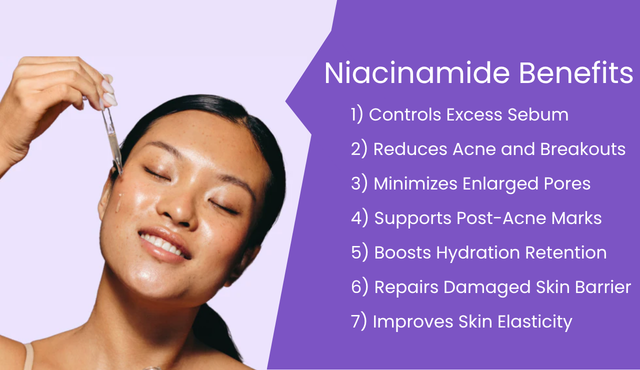
Skincare trends come and go, but a few ingredients consistently earn the trust of dermatologists and formulators. Niacinamide, a form of vitamin B3, is one of those rare ingredients that works across multiple skin types. From controlling excess oil to calming irritation and strengthening the skin barrier, its versatility has made it a staple in modern skincare formulations.
What makes niacinamide particularly impressive is its ability to adapt to different skin concerns. If you have oily skin, it helps regulate sebum production and minimize the appearance of enlarged pores. For dry skin, it improves moisture retention by supporting the skin’s natural barrier. And when it comes to sensitive skin, niacinamide is known for reducing redness, inflammation, and environmental stress.
That’s why you’ll often find niacinamide in serums, moisturizers, toners, and even sunscreens across premium and dermatologist-recommended skincare brands.
So, can one ingredient truly benefit oily, dry, and sensitive skin alike? The science behind niacinamide suggests it can—and in this guide, we’ll break down exactly how it works for each skin type.
What is Niacinamide?
Niacinamide is a form of vitamin B3, a water-soluble nutrient widely used in modern skincare formulations. It plays a key role in supporting the skin’s natural barrier, improving texture, and maintaining overall skin health. Dermatologists and skincare experts value niacinamide for its multi-functional benefits, as it helps regulate oil production, reduce redness, strengthen the skin barrier, and improve moisture retention.
Another reason niacinamide is popular in the beauty industry is its high compatibility with different skin types and ingredients. It works well in serums, creams, and toners and is generally gentle enough for daily use. This versatility makes niacinamide one of the most trusted ingredients in professional skincare products.
How Niacinamide Works on the Skin
Niacinamide has gained strong recognition in dermatology and skincare formulation because of its multi-functional impact on overall skin health. This form of vitamin B3 works at a cellular level to improve the skin’s barrier function, balance oil levels, and support smoother texture. Its gentle yet effective nature makes it suitable for oily, dry, and sensitive skin types.
a) Strengthens the Skin Barrier
One of the most important roles of niacinamide is strengthening the skin’s protective barrier. It helps increase the production of ceramides and essential lipids that keep moisture locked in while protecting the skin from environmental stress, pollution, and dryness.
b) Regulates Oil Production
For people with oily or acne-prone skin, niacinamide helps balance sebum production. By controlling excess oil, it reduces clogged pores and gives the skin a more balanced and refined appearance.
c) Reduces Inflammation
Niacinamide is known for its calming properties. It helps reduce redness, irritation, and inflammation, which makes it especially beneficial for sensitive skin and conditions linked with irritation.
d) Improves Skin Texture
With regular use, niacinamide supports smoother, healthier-looking skin by minimizing pores, evening out skin tone, and improving overall texture.
Niacinamide Benefits for Oily Skin
Oily skin often struggles with excess shine, clogged pores, and frequent breakouts. This is where niacinamide becomes a valuable ingredient in skincare routines. Known for its balancing and soothing properties, niacinamide helps manage oil production while improving the overall appearance of the skin. Its gentle nature also makes it suitable for daily use in serums, moisturizers, and treatment products.
a) Controls Excess Sebum
One of the key benefits of niacinamide for oily skin is its ability to regulate sebum production. By balancing the skin’s natural oil levels, it helps reduce the greasy look that often appears throughout the day.
b) Reduces Acne and Breakouts
Niacinamide has anti-inflammatory properties that help calm irritated skin and reduce acne-related redness. It also supports clearer skin by preventing clogged pores, which are a major cause of breakouts.
c) Minimizes Enlarged Pores
Excess oil can make pores appear larger. Niacinamide helps tighten the look of pores and improves overall skin texture, giving the skin a smoother appearance.
d) Supports Post-Acne Marks
Another important benefit is its ability to fade post-acne marks and uneven skin tone, helping skin appear clearer and more balanced over time.
Niacinamide Benefits for Dry Skin
Dry skin often feels tight, flaky, and more vulnerable to environmental damage. This is where niacinamide, a form of vitamin B3, proves especially helpful. Known for its barrier-supporting and moisture-balancing properties, niacinamide helps dry skin become healthier, smoother, and more resilient over time.
a) Boosts Hydration Retention
Niacinamide helps the skin retain moisture by supporting the production of ceramides and essential lipids. These components strengthen the skin’s protective layer, allowing it to hold onto hydration and prevent excessive water loss.
b) Repairs Damaged Skin Barrier
A weakened skin barrier is a common cause of dryness and irritation. Niacinamide works to restore and strengthen this barrier, helping the skin defend itself against pollution, harsh weather, and other environmental stressors.
c) Improves Skin Elasticity
Regular use of niacinamide can improve the skin’s elasticity and softness. By supporting overall skin health, it helps dry skin appear smoother, more supple, and better nourished.
Niacinamide Benefits for Sensitive Skin
Sensitive skin often reacts quickly to environmental triggers, harsh ingredients, or sudden weather changes. This makes it important to choose skincare ingredients that are both effective and gentle. Niacinamide, a form of vitamin B3, is widely recommended by dermatologists because it helps calm the skin while strengthening its natural defenses.
i) Reduces Redness and Irritation
Niacinamide has strong soothing properties that help reduce redness, irritation, and visible inflammation. It supports the skin’s natural recovery process, making sensitive skin appear calmer and more balanced.
ii) Strengthens Barrier Against External Stressors
A weakened skin barrier often leads to sensitivity. Niacinamide helps reinforce this barrier by supporting the production of essential lipids, helping the skin protect itself from pollution, UV exposure, and environmental stress.
iii) Gentle Yet Effective
Unlike many active ingredients, niacinamide works effectively without being harsh. This makes it suitable for daily use, even for people with delicate or easily reactive skin.
Some Additional Common Benefits for All Skin Types
Beyond addressing specific concerns for oily, dry, or sensitive skin, niacinamide offers several universal benefits that improve overall skin health. Its multi-functional nature makes it a popular ingredient in dermatologist-recommended skincare products and modern cosmetic formulations.
a) Brightens Dull Skin
Niacinamide helps revive tired and dull-looking skin by supporting healthy cell function, resulting in a more radiant and refreshed appearance.
b) Fades Hyperpigmentation
Regular use can gradually reduce the appearance of dark spots and hyperpigmentation by slowing the transfer of excess pigment within the skin.
c) Reduces Fine Lines and Early Signs of Aging
By strengthening the skin barrier and improving hydration, niacinamide helps soften the look of fine lines and early aging signs.
d) Improves Uneven Skin Tone
Niacinamide promotes a more balanced complexion by reducing blotchiness and improving overall skin clarity.
e) Enhances Skin Resilience
It strengthens the skin’s natural defense system, helping it better withstand environmental stress and maintain a healthier, more resilient appearance.
Who Should Avoid or Be Careful with Niacinamide?
Niacinamide is generally considered a safe and well-tolerated skincare ingredient, but like any active component, some individuals should use it with caution. Understanding how your skin reacts is important to avoid irritation or discomfort.
i) Extremely Reactive Skin
People with highly reactive or compromised skin may experience mild irritation when introducing new ingredients. In such cases, niacinamide should be used in lower concentrations and introduced gradually.
ii) Patch Testing Importance
Before applying any new skincare product, performing a patch test is recommended. Applying a small amount on a discreet area helps determine whether the skin tolerates the ingredient without irritation.
iii) Signs of Overuse
Using multiple products containing niacinamide or applying high concentrations may lead to redness, itching, or breakouts in some individuals. Moderation is key for best results.
iv) Consulting a Dermatologist
If you have chronic skin conditions or persistent sensitivity, consulting a dermatologist can help determine the right concentration and product formulation for your skin type.
Conclusion:
Niacinamide has earned its place as one of the most versatile ingredients in modern skincare. Whether someone struggles with excess oil, dryness, or skin sensitivity, this powerful form of vitamin B3 supports healthier, more balanced skin. From regulating sebum and calming irritation to improving hydration and strengthening the skin barrier, niacinamide delivers benefits that work across multiple skin concerns.
Its gentle nature and proven effectiveness are the reasons why many dermatologists and skincare formulators include it in everyday products like serums, moisturizers, and treatment creams.
For brands planning to launch high-quality skincare products featuring ingredients like niacinamide, working with the right manufacturing partner makes a significant difference. RivieraOverseas offers reliable private label and contract manufacturing solutions designed to help skincare brands create safe, effective, and market-ready formulations.
With the right formulation and expert guidance, niacinamide-based skincare products can become a valuable addition to any modern beauty brand’s product line.