

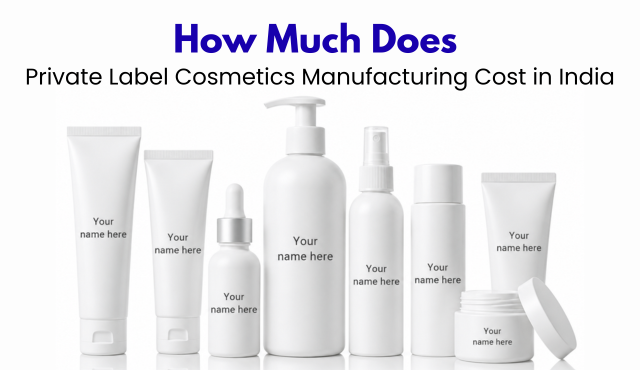
The Indian beauty and personal care industry is expanding rapidly, making private label cosmetics manufacturing one of the most profitable business opportunities for startups, retailers, salons, influencers, and D2C brands. However, one of the first questions entrepreneurs ask is, how much does private label cosmetics manufacturing cost in India? The answer depends on multiple factors, including product category, formulation, packaging, certifications, minimum order quantity (MOQ), and branding requirements.
According to industry estimates, India’s cosmetics market is projected to surpass USD 34 billion by 2034, driven by rising disposable income, premium skincare demand, and rapid e-commerce growth. According to Statista and Grand View Research, the sector continues to witness strong long-term growth, creating significant opportunities for private label brands.
This complete 2026 cost guide explains every major expense involved, hidden costs many businesses overlook, and practical ways to reduce manufacturing expenses without compromising product quality. Whether you plan to launch skincare, haircare, baby care, or personal care products, this guide will help you estimate your investment accurately and make informed, profitable cosmetics business decisions.
What is Private Label Cosmetics Manufacturing?
Private label cosmetics manufacturing is a business model where a third-party manufacturer develops and produces cosmetic products that are sold under your own brand name. Instead of investing in a manufacturing facility, you partner with an experienced cosmetics manufacturer that handles formulation, production, quality testing, packaging, and compliance.
This approach significantly reduces investment, speeds up product launches, and allows businesses to focus on branding, marketing, and sales. It is an ideal solution for startups, beauty brands, salons, pharmacies, and e-commerce businesses entering the cosmetics industry.
12 Factors That Affect Private Label Cosmetics Manufacturing Cost
Understanding the factors that influence private label cosmetics manufacturing costs helps you plan your budget more accurately and avoid unexpected expenses. Here are the key cost drivers every beauty brand should consider.
1. Type of Cosmetic Product
The product category has the biggest impact on manufacturing cost. Skincare serums, anti-aging creams, sunscreens, shampoos, face washes, lip balms, and makeup products all require different formulations, raw materials, equipment, and production processes.
2. Product Formulation
A basic formulation is generally more affordable than a customized one. Developing unique formulas with active ingredients, natural extracts, or dermatologist-tested compositions requires additional research and development, increasing overall costs.
3. Ingredient Quality
The quality and source of ingredients directly affect pricing. Organic, vegan, cruelty-free, imported, or clinically proven ingredients typically cost more than standard cosmetic ingredients but also enhance product value and brand positioning.
4. Packaging Cost
Packaging includes bottles, jars, tubes, pumps, caps, cartons, and protective materials. Premium packaging with metallic finishes, glass containers, embossing, or sustainable materials significantly increases production expenses.
5. Product Size
Larger product sizes require more raw materials and packaging materials, resulting in higher manufacturing costs. Travel-size products may cost less per unit but often have higher packaging costs relative to volume.
6. Minimum Order Quantity (MOQ)
Higher order quantities usually reduce the manufacturing cost per unit because production, setup, and packaging costs are distributed across more products.
7. Printing & Label Design
Custom label designs, premium printing techniques, foil stamping, UV coating, and multi-color packaging increase branding costs but create stronger shelf appeal and customer trust.
8. Product Testing
Microbiological testing, stability testing, compatibility testing, and quality assurance are essential for ensuring product safety, effectiveness, and consistency before market launch.
9. Regulatory Compliance
Obtaining required certifications, maintaining manufacturing standards, and complying with Indian cosmetic regulations involve documentation, audits, and quality processes that add to the overall manufacturing cost.
10. Custom Fragrance & Color
Developing exclusive fragrances or custom color shades requires formulation trials, sampling, and ingredient sourcing, increasing both development time and production expenses.
11. Product Customization
Unique textures, luxury finishes, personalized packaging, and exclusive branding elements require additional production processes, making customized products more expensive than standard private label options.
12. Shipping & Logistics
Transportation costs vary depending on product weight, packaging volume, delivery location, warehousing, and distribution requirements. Efficient logistics planning helps reduce overall operational costs while ensuring timely product delivery.
Every cosmetic brand has unique manufacturing requirements, so the final cost depends on the combination of these factors rather than a single element. Evaluating each cost component carefully allows you to optimize your budget without compromising on product quality, safety, or brand appeal.
Hidden Costs Many New Cosmetic Brands Forget
Many entrepreneurs calculate only the manufacturing cost and overlook several essential business expenses. Planning for these hidden costs from the beginning helps ensure a smoother product launch and long-term success.
- Brand Logo Design: A professional logo creates a memorable brand identity and builds customer trust.
- Product Label Design: Attractive, compliant labels improve shelf appeal while communicating essential product information.
- Packaging Design: Custom packaging enhances brand recognition and influences purchasing decisions.
- Trademark Registration: Protecting your brand name and logo prevents legal issues and strengthens brand ownership.
- Barcode Registration: GS1 barcodes are essential for selling through retail stores, supermarkets, and online marketplaces.
- Product Photography: High-quality product images increase customer confidence and improve online conversion rates.
- E-commerce Listing: Creating optimized product listings on Amazon, Flipkart, and your own website requires time and investment.
- Marketing Budget: Digital advertising, SEO, and social media campaigns are necessary to generate brand awareness.
- Influencer Marketing: Collaborating with beauty influencers helps build credibility and reach your target audience faster.
- Website Development: A professional website supports online sales, showcases your products, and establishes your brand’s credibility.
Considering these expenses alongside manufacturing costs will help you create a realistic budget and avoid unexpected financial challenges during your brand launch.
How Much Investment Do You Need to Start Your Own Cosmetic Brand?
There is no fixed investment required to launch a cosmetic brand because costs vary based on your product range, packaging quality, order quantity, and marketing strategy. A small private label brand with a limited product portfolio typically requires a lower initial investment, while premium skincare or makeup brands with custom formulations and luxury packaging demand a larger budget.
To estimate your investment accurately, consider these key expense categories:
- Product manufacturing
- Packaging and label design
- Branding and trademark registration
- Website and e-commerce setup
- Marketing and influencer promotions
- Inventory, shipping, and working capital
A well-planned budget helps you launch confidently and scale profitably.
Checklist to Choose the Right Private Label Cosmetics Manufacturer in India
Selecting the right private label cosmetics manufacturer is one of the most important decisions for your beauty brand. The right manufacturing partner not only produces high-quality products but also ensures regulatory compliance, consistent quality, timely delivery, and long-term business growth. Before finalizing a manufacturer, evaluate them against the following checklist.
a) GMP-Certified Manufacturing Facility
Ensure the manufacturer follows Good Manufacturing Practices (GMP) for safe, hygienic, and standardized production.
b) ISO-Certified Processes
ISO certifications demonstrate that the company follows internationally recognized quality management systems.
c) FDA-Compliant Production
Choose a manufacturer that adheres to applicable cosmetic manufacturing regulations and industry standards for product safety.
d) In-house R&D Team
A dedicated research and development team can help create innovative formulations and improve existing products.
e) Product Testing Support
The manufacturer should provide microbiological, stability, and quality testing to ensure safe and reliable cosmetic products.
f) Packaging Solutions
Look for a company offering multiple packaging options, including bottles, jars, tubes, pumps, and eco-friendly alternatives.
g) Label Design Assistance
Manufacturers that support label development and regulatory compliance can simplify your product launch.
h) Low MOQ Options
Low minimum order quantities allow startups and emerging brands to enter the market with lower investment.
i) Transparent Pricing
A trustworthy manufacturer provides clear quotations without hidden charges or unexpected production costs.
j) On-Time Delivery
Reliable production schedules help maintain inventory, meet launch deadlines, and build customer satisfaction.
k) Export Capabilities
If you plan to sell internationally, ensure the manufacturer has experience with export documentation and global quality standards.
l) Strong Client Portfolio
Review previous projects, client testimonials, certifications, and industry experience to assess the manufacturer’s credibility.
Choosing a private label cosmetics manufacturer should never be based on price alone. Prioritize quality, compliance, innovation, scalability, and service support to build a successful cosmetics brand.
Conclusion:
Understanding the cost of private label cosmetics manufacturing in India is the first step toward building a successful and profitable beauty brand. While manufacturing expenses vary depending on product type, formulation, packaging, order quantity, certifications, and customization, careful planning can help you optimize costs without compromising quality. Beyond production, remember to budget for branding, regulatory compliance, marketing, and distribution to ensure a successful product launch.
If you’re looking for a trusted private label cosmetics manufacturer in India, RevieraOverseas offers end-to-end manufacturing solutions, from custom formulations and premium packaging to regulatory support and quality assurance. Whether you’re launching a skincare, haircare, personal care, or makeup brand, their experienced team can help bring your vision to market efficiently and cost-effectively.
Partnering with the right manufacturer not only reduces operational challenges but also accelerates your brand’s growth. Make informed investment decisions today, choose a reliable manufacturing partner, and confidently launch a cosmetics brand that stands out in India’s competitive beauty industry.